“Coffee growing process” search results (7000)

Costa Rican coffee processing methods Brewing process Plantation estate Introduction
Coffee was introduced to Costa Rica from Cuba in 1729, and today its coffee industry is one of the most well-organized in the world, producing up to 1700 kilograms per hectare. Costa Rica has a population of 3.5 million, but coffee trees number 400 million, and coffee exports account for 25% of the country's total exports. The volcanic soils of Costa Rica are very fertile and well drained, especially in the central part.
2016-09-20 Costa Rica coffee treatment way method brewing process cultivation estate
Introduction of the whole process from coffee tree to fruiting
One of the characteristics of a coffee tree is that its fruit can bear fruit several times a year, and another is that flowers and fruits (also known as cherries) coexist at different stages of ripening. The whole coffee harvest is swayed by the vagaries of nature. If the fruit is too ripe, the beans in it will rot. If it is not ripe enough, the beans picked will not ripen by themselves. So bean pickers have to go through
2016-06-13 Coffee fruit whole process introduction coffee characteristics first its fruit.
Gourmet Coffee: high-quality Royal Copenhagen
Royal Copenhagen RoyalCopenhagen: has always had a high-quality evaluation of the royal Copenhagen. It has an unshakable position in the coffee market. At the table meeting, the royal Copenhagen, which enjoys the highest quality. There is no way to change the status of coffee in pursuit of the highest quality. The basic reason for the mellow flavor is that it is used from Brazil, the world-famous Crassi.
2014-05-23 Coffee culture gourmet coffee royal Copenhagen
Coffee beans History the birth of coffee beans
The lifetime of a coffee tree takes 3-5 years from planting to fruiting. 6-10 years of coffee trees are the most likely to bear fruit, about 15-20 years, is the harvest period. Coffee trees are usually bred in nurseries and grow into saplings, and then moved to coffee farms a year later, in full compliance with the way the Arabs planted and cultivated coffee trees. Coffee trees will continue to decline in the first four or five years of growth.
2014-09-28 Coffee knowledge coffee bean history coffee bean birth
Aromatic Ethiopian coffee plantation with rich flavor. Flavor characteristics. Variety introduction.
Ethiopian coffee beans grow in a near-natural environment. After years of cultivation under the same growing conditions, Ethiopian coffee beans have gradually adapted to the environment here. More than 60% of coffee beans are forest or semi-forest grown coffee. Coffee farming villages produce about 35 percent of the country's coffee. Many of these are used.
2016-09-12 taste rich aromatic ethiopian coffee manor region flavor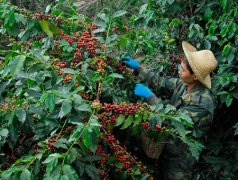
What is the quality of Yunnan small grain coffee? Yunnan Coffee planting and processing to make roasted Coffee
Yunnan small-grain coffee, that is, Arabica coffee, now belongs to an awkward position in the international market as well as in China. For example, coffee shops rank low in individual coffee, and the cheapest coffee is Yunnan coffee. This is an issue that cannot be avoided. Yunnan can be said to be the only province that still grows Arabica in a large area, and the main planting areas are concentrated in
2016-03-15 Yunnan small grains coffee quality how planting processing baking single product cloud
The Origin of Coffee beans Coffee Bean processing methods Coffee beans Historical Development
The development of coffee beans began to become popular in the coffee industry in China in the 19th century. Up to now, coffee trees are very similar to laurel trees, usually growing in the area between the Tropic of Cancer. A coffee tree usually grows for about three to four years before it begins to bear fruit. the fruit is a red berry and a small number of yellow berries. It can be separated after drying and removing the pulp.
2016-05-27 Coffee beans Origin treatment way History Development course medium
Introduction to the flavor and taste of Burundian boutique coffee beans in the growing environment.
There are two major ethnic groups in Burundi, and only about 15 percent of the Tutsi have ruled the country since the 16th century, controlling the civilian population, which is mainly made up of Hutu, plus a very small number of indigenous Twa. This abnormal social structure in which ethnic minorities occupy a high position has buried the evil seed of national instability, and in 1
2016-08-17 Citrus sour Burundi boutique coffee beans planting environment producing area flavor mouth
The cultivation process and sowing of Coffee in Yunnan & does #160; Coffee belong to Arabica?
People often mistakenly think that coffee is grown directly with raw beans, but it takes a long time to grow coffee only to find that it doesn't sprout. In fact, coffee is grown with seeds with endocarp (Parchment). The inner fruit (or sheepskin or paper parchment) refers to the tea-brown hard skin that wraps the coffee seeds, and the coffee beans attached to that layer are called Parchment Bean. Put aside the full maturity
2016-06-06 Coffee cultivation process sowing Yunnan amp #160 belongs to rabbi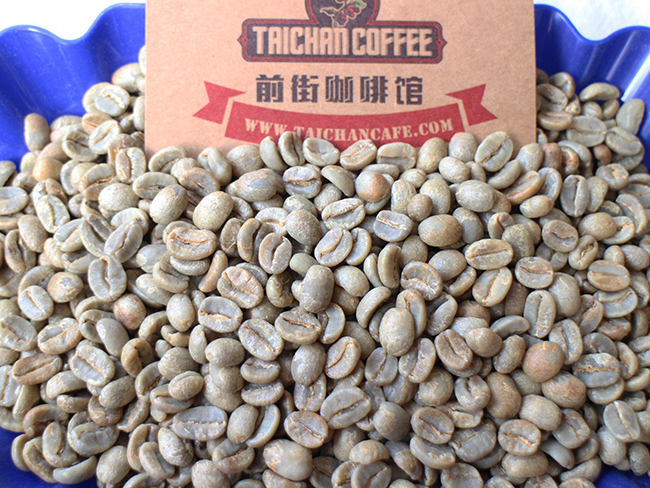
How to choose coffee and raw beans by hand? Choose the right raw coffee beans? Ethiopia, Sixida, Moses, Damashaki.
What kind of raw beans are high-quality raw beans? First look at the surface of beans, fresh and high-quality raw beans, the surface is shiny, in addition, the processing of good raw beans, uniform color, the surface of uneven color can not be called good beans, must choose uniform color. Secondly, the particle size is the same, which is also evidence of good quality management. Make sure that the particle size is the same when you buy it.
2016-04-14 How to hand-select coffee raw beans right pick Esso Biya Cedar Moses
Smooth, rich Hawaiian coffee flavor description Grind characteristics Variety processing Introduction
Unfortunately for coffee fans, only about 1400 hectares produce Kona coffee. And because of Hawaii's high income levels and high tourist numbers, Kona coffee is so expensive that even konablend (less than 5% kona) is sold. In recent years, neighboring islands such as maui, kauai, milokai,
2016-10-10 creamy aromatic hawaiian coffee flavor description grind characteristics variety region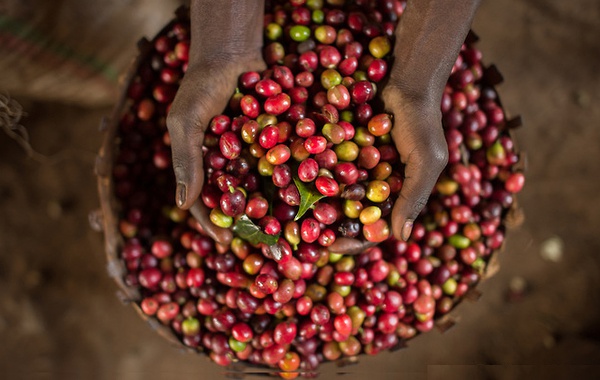
Coffee from Ethiopia, the birthplace of coffee, introduces how Ethiopian coffee powder
Ethiopia is one of the major producers of Arabica coffee in Africa, producing the best Arabian coffee in the world. It is said that coffee was first discovered by shepherds in Essekafa, and the name of coffee evolved from Kafa, so Essex is still the hometown of coffee. The geographical environment of coffee production and processing is very suitable for coffee growth. Coffee is mainly cultivated.
2016-04-26 Coffee birthplace Ethiopia introduction coffee powder how
Because of the best growing conditions in the world, Blue Mountain Coffee
The most favorable planting conditions in the world Jamaica's weather, geological structure and topography together provide a unique ideal place. The designated Jamaican Blue Mountain Coffee can only be grown in the Blue Mountain area, north-east of the island of Jamaica in Kingston. Coffee grows on the highest mountain of 1800 meters (about 6000 feet), which is already quite high for small-grain coffee, and
2015-03-31 Blue Mountain caffeine for in the world superior planting conditions
Vietnamese boutique coffee flavor characteristics taste introduction to Vietnamese coffee brands
Vietnam's geographical location is very favorable for coffee cultivation. Southern Vietnam has a hot and humid tropical climate, which is suitable for growing ROBUSTA coffee, while the north is suitable for growing ARABICA coffee. Coffee production in Vietnam has the following characteristics: (1) because there is no effective way to deal with fallen leaves, medium-grain coffee was selected as the main variety in the early 1980s. (2) take planting technology as
2016-07-18 Vietnam boutique coffee flavor characteristics taste introduction brand
Growing in Malaba Coffee Manor in the southern part of Rwanda, Lutshilo in the western province of Chimar Manor.
Malaba Coffee grows in southern Rwanda, about 12 kilometers (7 miles) from the city of Butare and 150 kilometers (93 miles) from the capital, Gejali. The plan began in the Malaba area of Butare province, but was taken over by a local government organization in 2006, which is now part of the Huye district of the southern province. Due to its proximity to the East African Rift Valley and the Neuenway Forest Mountains, the terrain
2016-06-23 Longer than Rwanda south Malaba Rabbah coffee manor producing area Mayer west
The birth of coffee beans (1) Coffee trees from planting to fruiting
Coffee trees take 3-5 years from planting to fruiting. 6-10 years of coffee trees are the most likely to bear fruit, about 15-20 years, is the harvest period. Coffee trees are usually bred in nurseries and grow into saplings, and then moved to coffee farms a year later, in full compliance with the way the Arabs planted and cultivated coffee trees. Coffee trees will continue to take root downward and upward in the first four or five years of their growth.
2015-10-12 Coffee beans birth planting fruit coffee 3-5 year
Harvesting and processing of coffee
Coffee is the fruit of a Rubiaceae plant growing about 6000 feet above sea level, distributed on the world's narrow subtropical axis; coffee trees grow green all the year round and can grow up to 20 feet tall, and are generally controlled at 8 to 10 feet for easy harvest.
2014-06-17 Coffee knowledge coffee processing coffee harvesting coffee encyclopedia
The birth of Fine Coffee Culture and Common sense Coffee beans
The lifetime of a coffee tree takes 3-5 years from planting to fruiting. 6-10 years of coffee trees are the most likely to bear fruit, about 15-20 years, is the harvest period. Coffee trees are usually bred in nurseries and grow into saplings, and then moved to coffee farms a year later, in full compliance with the way the Arabs planted and cultivated coffee trees. Coffee trees will continue to decline in the first four or five years of growth.
2014-12-26 Boutique coffee culture common sense coffee beans birth life planting knot
Vietnam Coffee Brand introduction Vietnam Coffee pot G7 Coffee
Vietnam's geographical location is very favorable for coffee cultivation. Southern Vietnam has a hot and humid tropical climate, which is suitable for growing ROBUSTA coffee, while the north is suitable for growing ARABICA coffee. Coffee production in Vietnam has the following characteristics: (1) because there is no effective way to deal with fallen leaves, medium-grain coffee was selected as the main variety in the early 1980s. (2) take planting technology as
2016-07-20 Vietnam coffee type brand introduction coffee maker
What natural conditions are needed to grow coffee trees? which countries are the most suitable for planting coffee trees?
In the coffee processing process, baking is the most difficult step, it is a kind of science, but also a kind of art. The baking process is divided into three stages: dehydration, in the early stage of baking, raw beans begin to absorb heat, and the internal water gradually evaporates. At this time, the color gradually changed from cyan to yellow or light brown, the silver skin began to fall off, and the faint smell of grass could be smelled. The main part of this stage
2016-07-11 Planting coffee need what natural conditions which country suitable